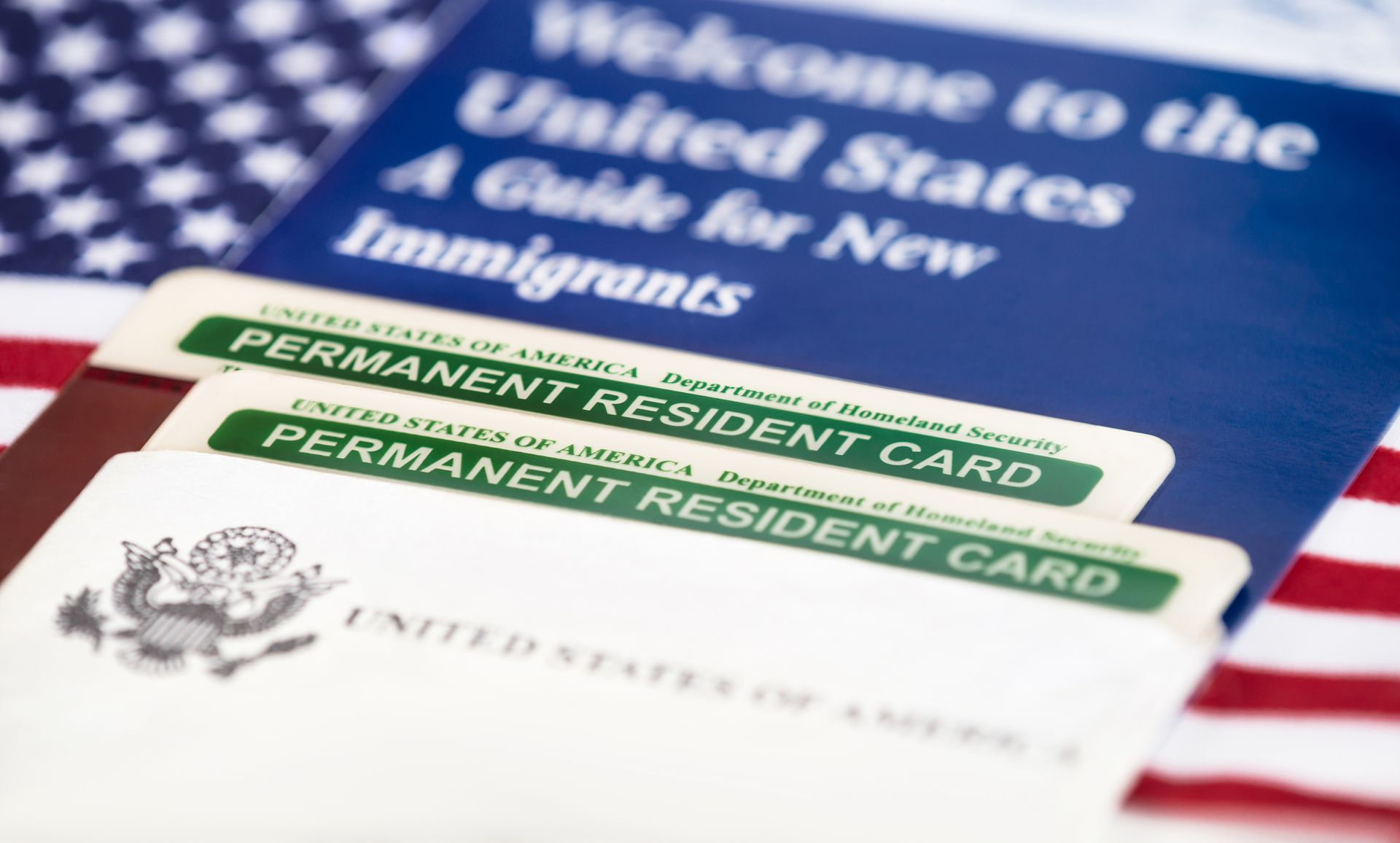



Who Can Sponsor a Family Member for a Green Card?
Who Can Sponsor a Family Member for a Green Card?
Family-based immigration is one of the most common ways individuals obtain lawful permanent residence in the United States.
If you are a U.S. citizen or lawful permanent resident (green card holder), you may be eligible to sponsor certain family members for their own green card.
At Eastbridge Law Group, LLP, we help families navigate the sponsorship process carefully and efficiently — ensuring that petitions are properly prepared and submitted from the start.
Below is an overview of who can sponsor a family member and which relatives may qualify.
Who Is Eligible to Sponsor a Family Member?
Only certain individuals may sponsor a relative for permanent residence:
- U.S. citizens
- Lawful permanent residents (green card holders)
Temporary visa holders (such as student or work visa holders) generally cannot sponsor relatives for green cards.
If You Are a U.S. Citizen, Who Can You Sponsor?
U.S. citizens have the broadest sponsorship rights.
You may sponsor:
Immediate Relatives (No Annual Visa Limits)
- Your spouse
- Your unmarried child under 21
- Your parent (if you are at least 21 years old)
These categories are not subject to annual visa caps, which often means shorter processing times.
Family Preference Categories (Subject to Annual Limits)
U.S. citizens may also sponsor:
- Unmarried adult children (21 or older)
- Married children of any age
- Siblings (if the U.S. citizen is at least 21)
These categories are subject to annual visa quotas, which can result in longer wait times depending on demand and country of origin.
If You Are a Lawful Permanent Resident, Who Can You Sponsor?
Green card holders may sponsor:
- Their spouse
- Their unmarried children (under 21)
- Their unmarried adult children
Unlike U.S. citizens, green card holders cannot sponsor:
- Parents
- Married children
- Siblings
These petitions fall under family preference categories and are subject to visa limits.
What Is the First Step in Sponsoring a Family Member?
The process typically begins with filing Form I-130 (Petition for Alien Relative) with U.S. Citizenship and Immigration Services (USCIS).
This petition establishes:
- The qualifying family relationship
- The sponsor’s immigration status
- The intent to bring the relative to the United States permanently
Approval of the I-130 does not automatically grant a green card — it allows the case to move forward to the next stage.
What Happens After the I-130 Is Approved?
The next step depends on:
- Whether the relative is inside or outside the United States
- Whether a visa number is immediately available
Options may include:
- Adjustment of Status (if already in the U.S. and eligible)
- Consular Processing (if applying from abroad)
Family preference applicants must also wait until their priority date becomes current under the Visa Bulletin.
How Long Does Family-Based Immigration Take?
Processing times vary based on:
- The sponsor’s status (U.S. citizen vs. green card holder)
- The relationship category
- The applicant’s country of origin
- Current USCIS and consular processing backlogs
Immediate relative petitions typically move faster because they are not subject to annual visa limits.
Family preference categories can involve multi-year waiting periods.
What If There Are Complications?
Family-based immigration can become more complex if:
- The applicant overstayed a visa
- There was prior unlawful presence
- There is a criminal record
- There are prior immigration violations
In some cases, inadmissibility waivers or additional forms of relief may be required.
Careful legal guidance is essential to avoid delays or denials.
Marriage-Based and Fiancé Sponsorship
Spouses of U.S. citizens or lawful permanent residents may qualify for marriage-based green cards.
Fiancés of U.S. citizens may apply for a K-1 visa, allowing them to enter the U.S. and marry within 90 days before applying for permanent residence.
Because marriage-based cases are closely scrutinized, proper documentation and preparation are critical.
Why Work With Eastbridge Law Group, LLP?
Family immigration is about more than paperwork — it is about keeping loved ones together.
At Eastbridge Law Group, LLP, we:
- Conduct free initial case evaluations
- Carefully prepare I-130 petitions
- Guide clients through adjustment of status or consular processing
- Monitor Visa Bulletin developments
- Help address complications proactively
We treat every family-based case with the care and seriousness it deserves.
Schedule a Free Initial Case Evaluation
If you are considering sponsoring a family member for a green card, we are here to help.